Kestrel
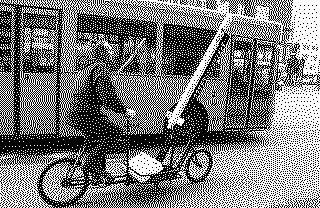
Hovering paper kite, 4 m. Hybrid motor, six-second burn, parachute recovery. It carries two kilograms of native seed to five kilometres and comes back to fly again.
Airborne happenstances tasked, tethered and gently released by Mycel. Contrail calligraphy, murmuration-scale light and kites that go exactly where the weather wants.
Program 01. Space technology belongs in everyday life.
Instruments that, until recently, only concentrations of power could afford, reduced to polyethylene, laughing gas and a parachute. They are cheap, they can be flown again, and anyone with a field and a permit can launch one.
Program 02. The weather decides. We only show up.
Gliders and kites are tuned to the thermals and then let go. Where they come down is part of the work. Recovery crews log every landing in the public manual so the next flight can start from where the last one ended.
Program 03. Seeds, not slogans, from five kilometres up.
A two-kilogram payload of native seed released at altitude covers a valley in an afternoon. Nobody owns what grows. The flight log is published in full, so anyone can repeat the flight.
| # | Product | Operating range |
|---|---|---|
| 01 | Kestrel | 0–120 m |
| 02 | Cirrus Pen | 8–12 km |
| 03 | Lantern Swarm | 0–400 m |
| 04 | Updraft | 0–2 km |
| 05 | Halo-7 | 6 km |
Hovering paper kite, 4 m. Hybrid motor, six-second burn, parachute recovery. It carries two kilograms of native seed to five kilometres and comes back to fly again.
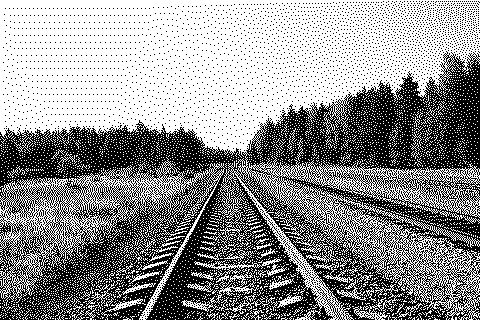
Contrail calligraphy system. Draws one sentence a season in contrail, then lets the wind edit it. No two readers see the same line.
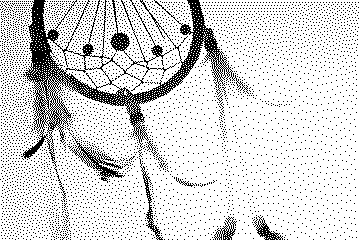
Biodegradable light flock, agent-steered. Paper and beeswax, steered by Mycel and released at dusk. It ends up wherever the night air takes it.