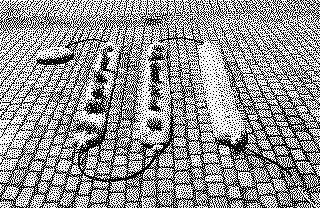
Loam Loom
Root-woven textile field. Permeable cloth sleeves of soil laid out on pavement and fed from the nearest downpipe. Harvest whatever is ready.
A family of slow, rooted works that grow, rot and reappear on schedule. Mycelial murals, seed-bomb scores and sculpture designed to compost into a better field than it found.
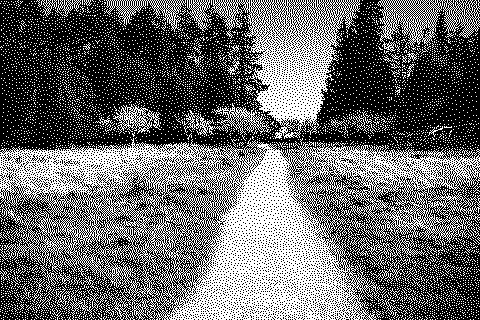
Program 01. Parks that arrive on wheels and leave behind a field.
Soil wrapped in permeable cloth, fed by hoses run from the nearest drain pipe, laid out on asphalt that was meant for cars. Anyone may harvest. Anyone may plant. When the modules move on, the compost stays.
Program 02. Land that anyone may stay on and use.
Owners keep the deed and give the guarantee: any person can stay and use the ground. Each site is marked with a one-metre cairn holding a dry tank, a manual and a logbook. The network grows when someone offers another piece of ground.
Program 03. Making soil is a household skill.
A city dweller throws away about 100 kg of organic waste a year. A three-tank worm column turns it into the most fertile thing in the building. We ship the tanks and a thousand worms; the rest of the work is done by the worms.
| # | Product | Operating range |
|---|---|---|
| 01 | Loam Loom | 0–2 m |
| 02 | Furrow | 0.3 m |
| 03 | Root Choir | 1–4 m |
| 04 | Compost Clock | 0–1 m |
| 05 | Seedfall-II | Surface |
Root-woven textile field. Permeable cloth sleeves of soil laid out on pavement and fed from the nearest downpipe. Harvest whatever is ready.
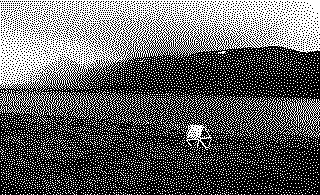
Plough-drawn land drawing. A cairn, a logbook and a few hundred square metres that anyone may stay on and use. The owner keeps the deed and gives the guarantee.
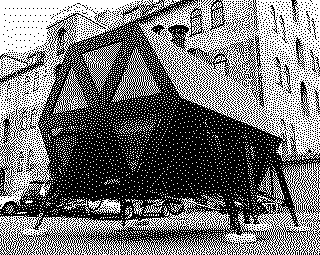
Root-grown antenna array. A frame of struts that walks slowly over open ground on six legs and stops wherever the roots are worth hearing.